Tree Embroidery: A Designer’s Review for Brand Merch
As an embroidery designer who has spent years digitizing logos and testing files on everything from delicate silk to heavy denim, I approach every new machine embroidery design with a critical eye. It is not just about aesthetics; it is about functionality, durability, and brand impact. Recently, I reviewed the Tree Embroidery file, a digital asset categorized under Forest themes, to determine its viability for small business merchandise and branded patch use. For boutique owners, café operators, and handmade brands, the right graphic can elevate a simple product into a recognizable brand statement. Here is my professional assessment of how this design performs in real-world commercial applications.
First Impressions and Visual Personality
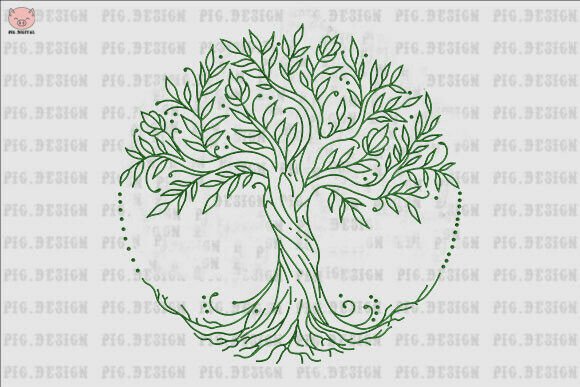
The immediate impression of Tree Embroidery is one of grounded elegance. It does not scream for attention with neon colors or chaotic lines; instead, it offers a sense of stability and natural beauty. The description promises a "unique and professional touch," and visually, the design delivers on that promise by balancing organic shapes with clean execution. For businesses in the wellness, outdoor, eco-friendly, or artisan sectors, this visual personality is crucial. It feels rustic yet refined, making it suitable for brands that want to project trustworthiness and a connection to nature.
When evaluating the thread colors and shading potential, the design appears versatile. It can be rendered in monochrome for a subtle, sophisticated look on staff uniforms, or in varied greens and browns for a vibrant statement on tote bags. The key here is the balance between detail and simplicity. A design that is too complex can become a muddy mess when stitched, while one that is too simple may lack character. This design seems to hit the sweet spot, offering enough detail to be interesting without overwhelming the fabric.
Real-World Business Applications
For small business owners, versatility is king. I tested the concept of Tree Embroidery across several common merchandise items to see where it shines brightest.
- Embroidered Patches: This is perhaps the strongest use case. A well-digitized tree design makes for an excellent iron-on or sew-on patch. It allows customers to buy a standalone accessory or lets businesses create removable branding for jackets and bags. The organic shape of a tree lends itself well to the irregular borders often seen in modern patch designs.
- Staff Uniforms and Aprons: For cafés, florists, and bakeries, apron embroidery is a subtle but powerful branding tool. Placing this design on the chest pocket area of an apron adds a touch of professionalism without being overly corporate. It suggests care and craftsmanship, which aligns perfectly with handmade or artisanal products.
- Tote Bag Design: Reusable bags are a staple for retail shops. A centered Tree Embroidery motif transforms a plain canvas bag into a desirable item. The design’s structure holds up well on the textured surface of canvas, providing a tactile experience that printed graphics cannot match.
- Cap Embroidery: Front-panel caps require designs that are compact and bold. If the scale of this file is adjustable, it could work beautifully as a left-chest accent on baseball caps, offering a low-key brand identifier for loyal customers.
Technical Considerations for Production
While the aesthetic appeal is high, any experienced embroiderer knows that technical execution determines the quality of the finished product. Before running a full production batch, there are several factors to consider regarding this digital embroidery file.
First, consider the stitch density. Nature-inspired designs can sometimes suffer from excessive density if the digitizer tries to capture every leaf detail. High density can cause puckering, especially on lighter fabrics like cotton t-shirts or linen tote bags. I recommend running a test stitch-out on a similar fabric to your final product to check for pull or distortion. If the design feels stiff, you may need to adjust the tension or use a cut-away stabilizer for better support.
Second, evaluate the hoop size requirements. Ensure that the design fits comfortably within your machine’s standard hoops, such as 4x4 or 5x7 inches, depending on the intended application. A design that is too large for a cap front will require resizing, which can distort the aspect ratio if not done carefully. Always check the included file formats to ensure compatibility with your specific embroidery software and hardware.
Third, think about fabric texture. This design may perform differently on smooth polo shirts versus textured fleece or rough canvas. On textured surfaces, finer details might get lost. For dark uniforms, consider using a bright underlay or choosing thread colors with high contrast to ensure the tree shape remains distinct and visible from a distance.
Impact on Brand Identity and Customer Trust
In the world of small business merch, consistency is key to building brand identity. Using a cohesive design element like Tree Embroidery across various touchpoints—patches, packaging, and apparel—creates a unified visual language. Customers subconsciously associate this consistency with professionalism and reliability. When a customer receives a handmade product with a neatly embroidered logo, it signals that care was taken in every step of the process.
Furthermore, embroidered items have a perceived higher value than printed ones. They last longer, feel more premium, and resist fading. By investing in high-quality commercial embroidery assets, businesses can justify higher price points for their merchandise. It turns a simple giveaway into a cherished keepsake, increasing customer engagement and loyalty.
Practical Designer Notes for Implementation
- Test in Black and White: Before committing to colored threads, stitch the design in black thread on white fabric. This reveals the structural integrity of the digitizing and highlights any spacing issues that color might hide.
- Check Small Scale Legibility: If using this for a small patch or sleeve detail, ensure the branches do not merge into a solid blob. Simplify if necessary.
- Review Thread Color Contrast: Choose thread colors that stand out against your base fabric. Earth tones work well for rustic brands, but ensure there is enough difference in value between the thread and the material.
- Create a Printable Mockup: Use design software to place the Tree Embroidery image onto photos of your actual products. This helps visualize the final look before stitching begins and aids in client approval.
- Confirm Commercial Licensing: The description mentions bringing creative projects to life, but always verify the specific license terms included with the embroidery file. Ensure you have the rights to use the design for physical goods sold for profit.
In conclusion, Tree Embroidery is a strong contender for businesses looking to add a natural, professional element to their merchandise. It bridges the gap between decorative art and functional branding. By paying attention to technical details like stabilizer choice and stitch density, and by strategically placing the design on high-visibility items like patches and aprons, small business owners can leverage this asset to enhance their brand presence. It is not just a design; it is a tool for storytelling and customer connection. Always remember to check the specific file details provided by the creator to ensure seamless integration into your production workflow.