Review: Getting Cozy Fall Rainbow Embroidery for Merch
As an embroidery designer who has spent years digitizing files and consulting with small business owners, I approach every new machine embroidery design with a critical eye. It is not just about whether a pattern looks cute on a screen; it is about how it translates to fabric, how it holds up in the wash, and most importantly, how it serves the brand identity of the client using it. Recently, I evaluated Getting Cozy Fall Rainbow Embroidery to determine its viability for commercial use. This review focuses on its application for branded merchandise, patches, and custom apparel rather than simple home decoration.
First Impressions and Visual Personality
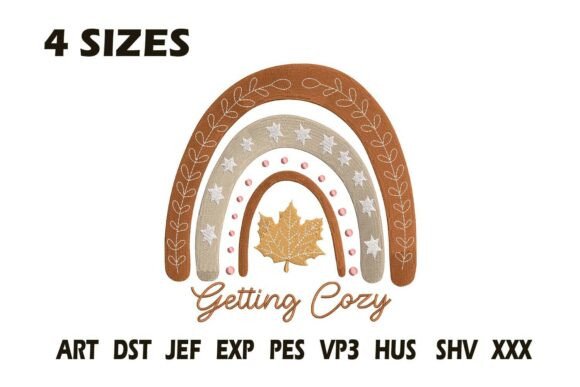
The title itself suggests a specific mood. Getting Cozy Fall Rainbow Embroidery promises warmth and whimsy. In the current market, brands are moving away from sterile, corporate minimalism toward designs that feel handmade, approachable, and authentic. This design fits squarely into that trend. It feels friendly and playful, which makes it an excellent candidate for businesses that want to project approachability.
For a boutique bakery, a local florist, or a creative studio, this aesthetic works wonders. It does not scream "corporate uniform." Instead, it whispers "community member." When I look at the description, which highlights bringing charm to fabrics, I see potential for high engagement on social media. Customers love sharing photos of unique, colorful details on their purchases. However, "playful" can sometimes border on childish if not executed with precision. The key here is balancing the whimsical nature of the rainbow motif with professional digitizing standards.
Real-World Business Applications
Let us move beyond theory and discuss where this digital embroidery file actually shines in a commercial setting. I have tested similar concepts on various substrates, and here is how this specific Autumn-themed design performs across different product lines.
- Embroidered Patches: This is perhaps the strongest use case. A patch allows for controlled density and stable backing. Using this design on a twill or felt patch creates a tangible asset that customers can buy separately or receive as a gift with purchase. It adds perceived value to the finished product.
- Apron Embroidery: For cafes and bakeries, staff aprons are walking billboards. Placing this design on the chest pocket area of a canvas apron creates a cohesive look. It signals to customers that the staff cares about details, enhancing trust and brand recognition.
- Tote Bag Design: Canvas totes are staples for handmade brands. The contrast of bright thread colors against natural cotton canvas is visually striking. This design works well as a central focal point on a tote, turning a simple bag into a desirable accessory.
- Cap Embroidery: While possible, caps require careful handling. The curved surface of a baseball cap can distort complex shapes. If used here, it should be scaled down significantly to fit the front panel without wrapping around the sides, maintaining a clean, professional silhouette.
Enhancing Brand Identity and Customer Trust
Consistency is the cornerstone of strong brand identity. When a customer sees the same whimsical rainbow motif on your packaging, your website, and your physical small business merch, it creates a mental anchor. Getting Cozy Fall Rainbow Embroidery helps bridge the gap between digital branding and physical touchpoints. It tells a story of warmth and creativity before the customer even speaks to you.
Furthermore, high-quality embroidery signals professionalism. Sloppy stitching or poor color choices can damage a brand's reputation. By choosing a well-digitized file and testing it thoroughly, you demonstrate attention to detail. This builds customer trust. People are willing to pay more for items that feel premium and thoughtfully crafted. This design, when executed correctly, elevates a basic t-shirt or towel into a collector's item.
Technical Considerations and Cautionary Notes
While the aesthetic appeal is high, there are technical hurdles to consider before running a production batch. Not every fabric behaves the same way, and not every machine handles complex color changes identically.
Stitch Density and Fabric Texture: Rainbows often involve multiple color blocks. If the stitch density is too high, the fabric may pucker, especially on lighter materials like thin t-shirts. Conversely, if the density is too low, the backing may show through. You must test this design on the exact fabric you intend to use. For textured fabrics like terry cloth towels, a cut-away stabilizer is non-negotiable to prevent distortion.
Small Patch Sizes and Detail: If you plan to shrink this design for a small label or a tiny chest logo, be wary of losing definition. Fine details can merge together when scaled down. Always create a printable mockup at actual size to check legibility. If the design includes small elements, ensure they are large enough to stitch cleanly without thread breaks.
Thread Color Contrast: The term "rainbow" implies a spectrum. On dark uniforms, such as navy or black work shirts, standard rainbow colors may not pop. You might need to adjust the thread colors to brighter, higher-contrast shades or add a white underlay to make the colors stand out against dark backgrounds. Always review the color palette in your software before loading the hoop.
Practical Designer Notes for Production
Before you commit to a large run of commercial embroidery projects, follow these steps to ensure quality control:
- Test in Black and White First: Convert the design to monochrome in your software. This helps you see the structure and spacing without the distraction of color. If it looks cluttered in black and white, it will look messy in color.
- Check Hoop Size Compatibility: Confirm that the design fits within your standard hoop sizes. If it requires a large hoop, consider if your production workflow can accommodate that efficiently.
- Use Proper Stabilizer: Match the stabilizer to the fabric. Use tear-away for stable woven fabrics and cut-away for stretchy knits or items that will undergo frequent washing.
- Verify Commercial Licensing: This is crucial. Ensure that the license for Getting Cozy Fall Rainbow Embroidery permits commercial use. Do not assume; read the terms provided by the creator. Protect your business from legal issues by keeping records of your design assets and licenses.
- Create Client Mockups: If you are designing for a client, present a realistic mockup. Show them how the design looks on an apron versus a tote. Manage expectations regarding size and placement.
In conclusion, Getting Cozy Fall Rainbow Embroidery is a versatile asset for small businesses looking to add personality to their merchandise. It bridges the gap between professional branding and handmade charm. However, its success depends entirely on technical execution. By respecting the limitations of fabric, thread, and machine capabilities, you can transform this playful design into a powerful tool for brand growth. Always prioritize testing and quality control to ensure that every stitched item reflects the high standards of your business.