Reviewing the Aromatherapy Incense Sticks Embroidery Design
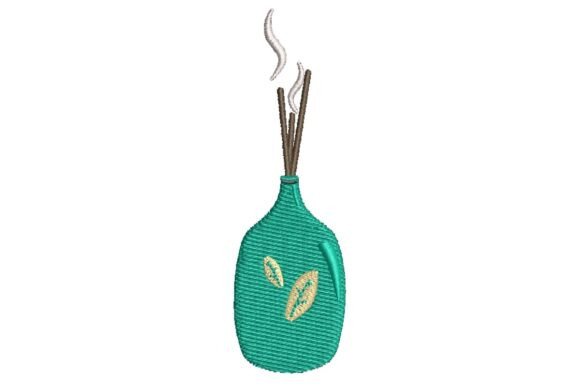
As an embroidery designer who has spent countless weekends behind a craft fair table, I know that the difference between a browsing customer and a buying customer often comes down to visual impact. When I first loaded the Aromatherapy Incense Sticks Embroidery Design into my digitizing software, I was looking for more than just aesthetic appeal. I was evaluating its potential as a high-converting craft fair product. This design features a tall, elegant diffuser or incense holder, rendered in vibrant teal or turquoise with a textured finish. It immediately struck me as a piece that bridges the gap between modern minimalism and cozy home decor.
First Impressions and Visual Appeal
The immediate vibe of this machine embroidery design is serene and premium. In a market saturated with loud, busy patterns, the clean lines of the incense holder offer a moment of calm. The choice of teal or turquoise is strategic; these colors are associated with tranquility and wellness, making them highly attractive to buyers seeking relaxation tools. For a handmade product line focused on self-care, this design serves as a perfect anchor. It does not scream for attention but rather invites it, which is crucial for products intended for bedrooms, meditation spaces, or bathrooms.
From a production standpoint, the texture mentioned in the description suggests a thoughtful approach to stitch placement. If executed correctly, this texture adds depth without excessive bulk, allowing the design to lie flat on various fabrics. This is essential for maintaining the professional look expected by customers at upscale boutiques or online stores.
Product Versatility for Craft Fair Sellers
One of the strongest assets of the Aromatherapy Incense Sticks Embroidery Design is its adaptability. As a seller, you need designs that can stretch across multiple product categories to maximize your return on investment. Here is how this design performs on key items:
- Tote Bags: This is perhaps the ideal canvas. A large-scale version of the design centered on a natural cotton tote creates an instant bestseller. The vertical orientation of the incense holder complements the shape of the bag, drawing the eye upward.
- Tea Towels and Aprons: For kitchen linen, a smaller placement works beautifully. The tea towel embroidery trend is still strong, and a subtle incense motif adds a touch of sophistication to everyday items. On aprons, placing the design on the chest pocket area creates a balanced, professional look.
- Embroidered Patches: If you offer add-ons, this design translates well to iron-on patches. Buyers love customizing their jackets or bags, and a wellness-themed patch is a unique niche.
- Pillow Covers: Centered on a square cushion, this design becomes a focal point for home decor. It appeals to customers looking to refresh their living spaces with calming imagery.
For Etsy sellers and digital creators, this design also lends itself to creating compelling printable mockups. The clean background and distinct shape make it easy to visualize on different products, helping online customers understand the scale and style before purchasing the digital embroidery file.
Production Practicality and Stitch Density
When preparing for a busy fair season, efficiency is key. I always evaluate a new embroidery file based on how quickly it runs and how forgiving it is on different materials. The Aromatherapy Incense Sticks Embroidery Design appears to be designed with practical production in mind. However, there are critical factors to consider regarding stitch density and fabric choice.
The textured elements of the container require careful attention. If the stitch density is too high, the fabric may pucker, especially on lighter materials like chiffon or thin cotton. Conversely, if the density is too low on thick fabrics like denim or canvas tote bags, the underlying material might show through, breaking the illusion of the solid teal color. I recommend testing the design on scrap fabric that matches your final product material. This step is non-negotiable for maintaining quality control.
Additionally, consider the hoop size required. Ensure that your machine can accommodate the dimensions needed for the full effect of the design. If you are producing small items like pouches, you may need to resize the design, but be cautious. Shrinking intricate textures can lead to lost detail and thread breaks.
Navigating Fabric and Color Challenges
Color contrast is vital for this design. Since the primary element is teal or turquoise, it will pop beautifully against white, cream, beige, or light gray fabrics. However, placing it on dark navy or black fabric might require an underlay adjustment or a change in thread color to ensure visibility. Always check your thread colors against your fabric stock before starting a batch run.
Fabric texture also plays a role. Terry cloth towels, while popular, can obscure fine details. If you are doing apron embroidery on textured waffle weave, ensure the design elements are bold enough to stand out. For smoother fabrics like poplin or polyester blends, the design should render crisply, highlighting the elegance of the incense holder.
Strategic Selling and Brand Consistency
Integrating the Aromatherapy Incense Sticks Embroidery Design into your lineup can strengthen your brand identity. If your shop focuses on Wellness and mindfulness, this design reinforces that message visually. It tells a story of calm and intention, which resonates with today’s conscious consumers.
For booth displays, use this design on items that are at eye level. A wall of embroidered tote bags featuring this motif creates a cohesive and inviting backdrop. It signals to passersby that your small shop product range is curated and thoughtful. Furthermore, because the subject matter is universal—everyone understands the concept of incense and relaxation—it has broad appeal without being generic.
Essential Designer Notes for Production
Before you commit to full-scale production, keep these practical tips in mind:
- Test on Scrap Fabric: Never skip this step. Check for puckering and thread breaks.
- Check Stabilizer Compatibility: Use the right stabilizer for your fabric type. Cut-away stabilizers are often better for stretchy fabrics like tote bags, while tear-away works for stable woven fabrics.
- Verify Commercial Licensing: Ensure that your purchase of the design assets includes rights for commercial embroidery. You must be clear on whether you can sell the finished physical products.
- Create Real Mockups: Photograph the actual stitched item rather than relying solely on digital renders. Customers trust real photos more.
- Inspect Small Details: If the design includes tiny text or fine lines, verify they remain legible at the size you intend to stitch.
In conclusion, the Aromatherapy Incense Sticks Embroidery Design is a strong contender for any maker looking to expand their wellness-themed collection. It balances aesthetic elegance with production feasibility, offering a versatile solution for tote bags, home decor, and accessories. By paying attention to fabric choices, stitch density, and presentation, you can turn this digital file into a standout finished product that drives sales and enhances your brand’s reputation for quality.