Flying Crow Embroidery Files: A Designer’s Review
As an embroidery designer who has spent years refining digitizing techniques for boutique apparel, I approach every new machine embroidery design with a critical eye. It is not just about whether the file runs smoothly on the machine; it is about how the final piece feels in the hand and looks on the customer. Recently, I evaluated the Flying Crow Embroidery Files for a potential inclusion in a limited-edition sweatshirt drop for a small online shop. The goal was to determine if this digital asset could elevate a basic garment into a premium, desirable item.
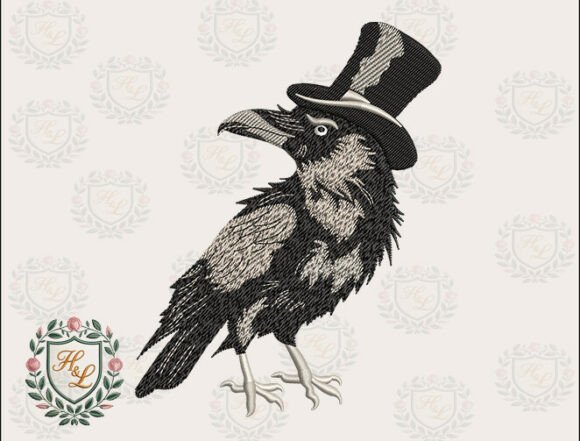
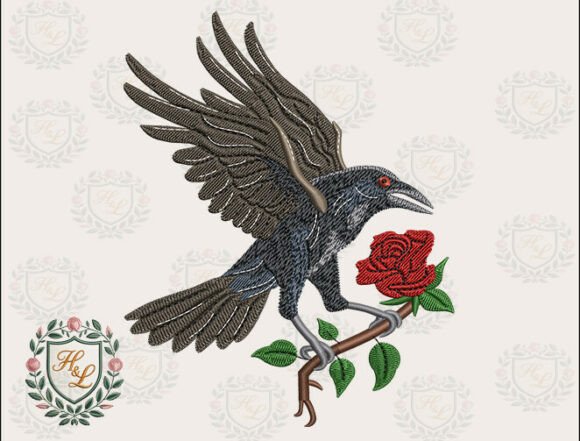
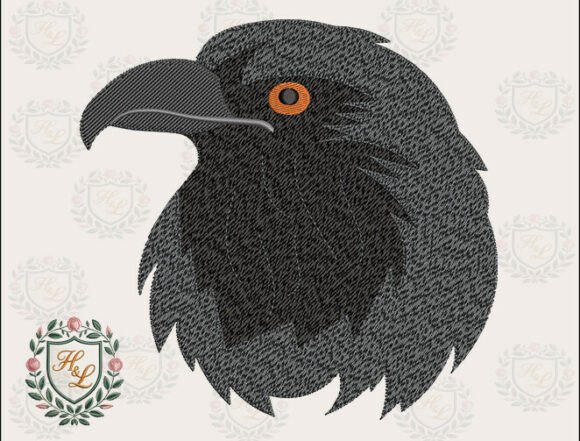
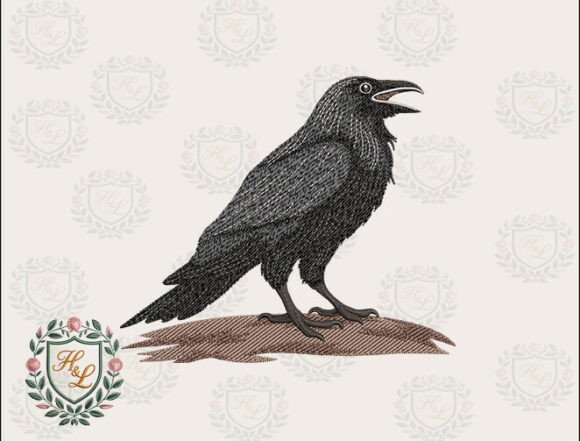
The initial impression of the Flying Crow Embroidery Files is striking. Crows are often associated with mystery and intelligence, making them a compelling subject for modern, rustic, or slightly edgy fashion lines. Unlike generic bird motifs that can feel overly cute or childish, this design carries a sense of boldness. For a boutique brand looking to stand out in a saturated market, choosing a motif with character is essential. This embroidery file promises to bring creative projects to life, specifically highlighting its versatility for shirts, tote bags, pillows, and festive decorations. However, my focus remained strictly on its application in high-quality apparel.
Visual Impact on Premium Sweatshirts
When considering sweatshirt embroidery, fabric texture plays a massive role in how the stitches settle. I visualized the Flying Crow Embroidery Files on several different bases. On a neutral, heather-grey heavyweight cotton blend, the design would likely pop with a classic, timeless appeal. The contrast between the dark silhouette of a crow and light fabric creates immediate visual recognition. For darker fabrics, such as charcoal or black hoodies, the success of the design would depend heavily on thread color choice. Using metallic threads or high-sheen rayon in deep purples or midnight blues could add a subtle, luxurious depth that catches the light without being overpowering.
For pastel colors, which are trending in cozy seasonal apparel, the crow motif offers an interesting juxtaposition. It prevents the garment from feeling too sweet, adding a touch of playful edge that appeals to a broader demographic. Whether the vibe is minimal, decorative, or bold, this design adapts well. It does not scream "costume"; instead, it whispers "curated style." This is crucial for custom apparel brands that rely on perceived value. A well-placed bird motif can transform a blank hoodie into a statement piece that customers are proud to wear in public.
Placement and Composition Strategy
One of the most important aspects of using any digital embroidery file is understanding placement. For the Flying Crow Embroidery Files, I see multiple viable options. A left-chest placement on an oversized hoodie creates a sophisticated, understated look. This is ideal for customers who prefer minimal branding but still want a unique detail. Alternatively, a larger scale version on the back of a sweatshirt allows for more intricate detail visibility, turning the garment into a canvas. This approach works exceptionally well for lifestyle product photography, where the back design can be showcased while the model faces away, creating intrigue.
Sleeve accents are another trending location for small embroidery motifs. Placing a smaller iteration of the crow near the cuff adds a surprise element that enhances the handmade product feel. It shows attention to detail that mass-produced clothing often lacks. For Etsy sellers and small shop owners, these unique placement ideas can be highlighted in printable mockups and listing photos to demonstrate versatility. It helps buyers visualize how the item fits into their wardrobe, increasing the likelihood of conversion.
Technical Considerations for Production
From a technical standpoint, there are several factors to monitor before running a full production batch. Since the product description mentions this is an appliqué design, layering is key. Appliqué reduces stitch count and bulk, which is beneficial for comfort, especially on softer fabrics like fleece or French terry. However, it requires precise cutting and placement. I recommend testing the stitch density on scrap fabric first. If the density is too high, it may cause puckering on thinner materials; if too low, the backing might show through.
Stabilizer choice is non-negotiable for professional results. For heavy sweatshirts, a cut-away stabilizer is usually preferred to provide long-term support and prevent distortion after washing. For lighter shirts or tote bags, a tear-away might suffice, but durability should always be prioritized for commercial use. Additionally, check the recommended hoop size against your machine’s capabilities. While the description notes it is perfect for various items, ensuring the design fits within your standard hoop without excessive re-hooping will streamline your workflow.
Thread color contrast is another vital element. Because crows are naturally black, using a true black thread on dark fabric will result in lost detail. In such cases, consider using a dark grey or navy to create definition. On light fabrics, ensure the black thread is high-quality to avoid fraying or fading over time. Washing durability tests are essential before listing the item as a finished product. Customers expect their boutique purchases to last, and poor stitch quality can lead to negative reviews and returned items.
Elevating Brand Identity and Value
Integrating the Flying Crow Embroidery Files into your collection does more than just decorate a garment; it builds brand identity. For creative entrepreneurs, consistent use of distinctive motifs helps establish visual recognition. When customers see that specific crow design, they should immediately think of your shop. This emotional connection drives customer engagement and loyalty. It transforms a simple transaction into a relationship with a boutique brand that cares about aesthetics and quality.
Furthermore, high-quality embroidery increases the perceived value of the item. Buyers are often willing to pay a premium for garments that feature detailed, durable stitching compared to printed graphics. This is particularly true for the handmade community, where craftsmanship is celebrated. By using professional-grade design assets like these, you signal to your audience that you invest in quality tools to deliver quality products. It reinforces trust and positions your small shop as a serious contender in the custom apparel market.
Before finalizing your production run, always verify the specific file formats included in the download to ensure compatibility with your embroidery machine. Check if the license terms allow for commercial use, as this is critical for selling finished goods. While the description highlights its suitability for festive decorations and pillows, expanding its use to apparel requires careful consideration of wear and tear. With proper testing and thoughtful presentation, the Flying Crow Embroidery Files can become a staple in your design library, offering endless possibilities for creative expression and commercial success.