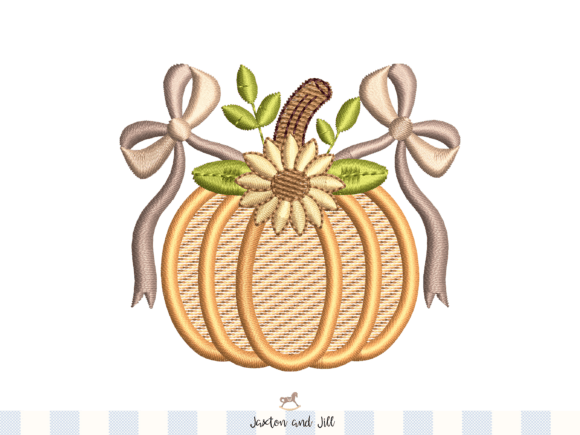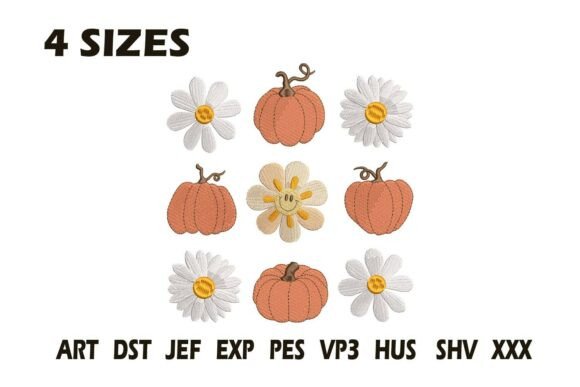
Review: Pumpkin Daisy Fall Embroidery Design
As an embroidery designer who spends more time behind a machine than in front of a mirror, I approach every new machine embroidery design with a critical eye. It is not just about whether the digital preview looks cute; it is about whether the finished product will stop a shopper in their tracks at a busy weekend craft fair. Recently, I loaded the Pumpkin Daisy Fall Embroidery Design into my software to evaluate its potential for my upcoming autumn market lineup. This review breaks down why this specific design is a strong contender for handmade shop owners and Etsy sellers looking to capitalize on the seasonal rush.
First Impressions: Whimsical Charm Meets Seasonal Appeal
The first thing that strikes you about the Pumpkin Daisy Fall Embroidery Design is its playful nature. The description promises to bring charm to fabrics, and visually, it delivers on that promise. It does not lean heavily into the rustic, burlap-heavy aesthetic that dominated fall decor a few years ago. Instead, it feels fresh, whimsical, and slightly modern. By combining the classic symbol of autumn—the pumpkin—with the softness of a daisy, the design bridges the gap between festive and everyday wearability.
For a craft fair seller, this balance is crucial. A design that is too explicitly "Halloween" has a short shelf life, but one that is purely floral misses the seasonal trend. This hybrid approach creates a versatile craft fair product that can be sold from late September through November. It feels decorative without being overly dense, suggesting it will stitch out cleanly on a variety of materials.
Product Versatility: Where This Design Shines
When planning a booth display, variety is key, but consistency in branding is equally important. I tested the mental image of this design across several common handmade product categories. Here is where I believe the Pumpkin Daisy Fall Embroidery Design performs best:
- Tote Bag Design: This is arguably the strongest application. A canvas tote with this motif centered or placed on the lower corner becomes an instant impulse buy. It transforms a basic utility item into a seasonal accessory.
- Tea Towel Embroidery: Kitchen textiles are high-volume sellers. The whimsical touch mentioned in the product description fits perfectly here. However, one must be mindful of the fabric texture. Looped towels can swallow small details, so this design likely works best on flat-woven linen or cotton blends.
- Apron Embroidery: Placing this on the bib of a half-apon or the pocket of a full apron adds a professional, boutique feel. It appeals to buyers looking for giftable items for hosts and home cooks.
- Embroidered Patch: If the scale allows, this design would make an excellent iron-on or sew-on patch. Patches are low-commitment purchases for customers who want to customize their own jackets or bags later.
While it could work on caps, curved surfaces require careful digitizing to prevent distortion. For small shop product lines, sticking to flat surfaces like pillow covers and market bags ensures a higher success rate with fewer hooping headaches.
Production Practicality for the Busy Maker
Time is money when preparing for a market. A design that takes four hours to stitch is rarely profitable unless you are charging premium prices. The Pumpkin Daisy Fall Embroidery Design appears to prioritize clarity and charm over excessive complexity. This suggests a manageable stitch density that should run efficiently on most home machines.
For batch production, consistency is vital. This design seems repeatable, meaning you can hoop multiple items quickly without worrying about intricate alignment issues that plague larger, multi-hoop designs. When creating your Etsy seller listings or preparing booth samples, this efficiency allows you to produce a wider range of colorways. Imagine offering the same design in traditional orange and green, but also in muted sage and cream for a modern farmhouse look, or bold black and white for a graphic twist.
Photography and Online Presence
In the digital realm, visual appeal drives clicks. This design’s clear shapes and contrasting elements make it highly photogenic. It stands out well against solid-colored fabrics, which simplifies the process of creating a printable mockup or staging real-life photos. For those selling the digital embroidery file itself, providing high-quality design assets and mockups showing the design on various items can significantly boost conversion rates.
Careful-Use Notes and Technical Considerations
Even the best designs have limitations. As an experienced designer, I must advise caution in specific scenarios to maintain the quality of your commercial embroidery goods.
- Fabric Choice: Avoid highly textured fabrics like thick terry cloth unless you use a strong topping. The finer details of the daisy petals may get lost in the pile.
- Dark Fabrics: If stitching on navy or black, ensure your thread colors have enough contrast. You may need to add a light underlay or choose brighter thread shades to prevent the design from looking muddy.
- Size Matters: Do not shrink this design too much. Tiny lettering or minute details can become illegible or cause thread breaks if scaled down beyond the designer's intent. Always check the recommended minimum size.
- Stabilizer Selection: Use the right stabilizer for your fabric weight. A cut-away stabilizer is often safer for garments that will be washed frequently, ensuring the design remains stable and does not pucker over time.
Enhancing Brand Consistency and Buyer Engagement
Using a cohesive design like the Pumpkin Daisy Fall Embroidery Design helps strengthen your brand identity. When customers see this motif on a tote, then on a towel, and finally on a pouch, they recognize your style. This recognition builds trust and encourages multiple purchases. In a crowded craft fair aisle, a booth that displays a unified collection looks more professional and premium than one with disjointed items.
Furthermore, this design invites engagement. It is conversational. Customers might comment on the unique combination of pumpkin and daisy, giving you an opening to discuss your creative process. This personal connection is what separates handmade goods from mass-produced imports.
Final Designer Notes Before You Stitch
Before you commit to producing fifty units for your next market, take these practical steps:
- Test on Scrap Fabric: Always run a test stitch on the exact fabric type you plan to use. Check for puckering or thread breaks.
- Check Thread Contrast: Ensure your chosen thread colors pop against the background fabric. Sometimes, a slight adjustment in shade makes a huge difference in visual clarity.
- Confirm Hoop Size: Verify that the design fits comfortably within your hoop, leaving enough margin for secure hooping.
- Review Licensing: If you are buying this as a digital embroidery file, confirm the commercial licensing terms. Ensure you are allowed to sell finished physical products made with the design.
The Pumpkin Daisy Fall Embroidery Design is a thoughtful addition to any autumn collection. It balances seasonal relevance with year-round charm, making it a smart investment for embroidery business owners. By focusing on practical production methods and strategic product placement, you can turn this playful motif into a profitable staple of your handmade inventory.