Flying Ducks Embroidery Design: A Practical Review
When I first loaded the Flying Ducks Embroidery Design into my digitizing software, I wasn’t looking for complexity. I was looking for character. In the world of machine embroidery, it is easy to get lost in hyper-realistic portraits or dense, thread-heavy logos that take hours to stitch and often pucker the fabric. This design, categorized under Birds, offers a refreshing change of pace. It is whimsical, clean, and immediately recognizable. As an experienced designer who has stitched everything from delicate baby onesies to heavy canvas tote bags, I evaluate every new file based on one question: will this look good after it leaves the hoop?
First Impressions and Visual Personality
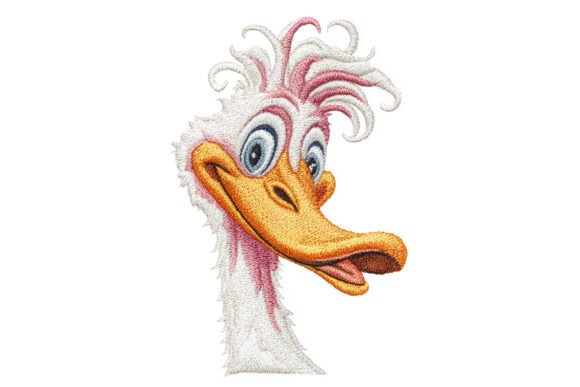
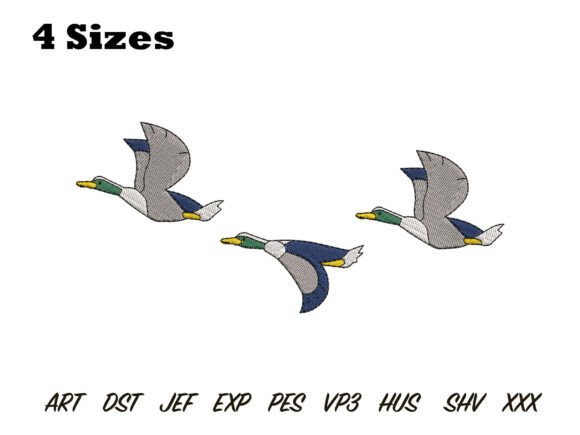
The immediate mood of this design is playful charm. The silhouette of the ducks in flight suggests movement without relying on excessive detail that might get lost during stitching. For embroidery designers and craft business owners, this is crucial. A design that relies too heavily on tiny running stitch details can vanish on textured fabrics like terry cloth towels or fuzzy fleece. This design strikes a balance. The shapes are bold enough to read clearly from a distance, yet they retain a hand-drawn warmth that feels personal rather than corporate.
I appreciate the layout. It is compact but breathable. There is no unnecessary clutter. This makes it versatile for various applications. Whether you are creating a small embroidered patch for a denim jacket or a larger centerpiece for a pillow cover, the visual weight of the Flying Ducks Embroidery Design remains consistent. It does not feel too heavy for a lightweight garment, nor does it feel too insubstantial for home decor.
Real-World Application: The Tote Bag Test
To truly understand how a digital embroidery file performs, you have to stitch it. I recently used this design for a custom order of canvas tote bags for a local farmer’s market vendor. The client wanted something that felt organic and friendly, avoiding the stiff look of traditional logos. I chose a contrasting thread color against the natural beige canvas. The result was excellent.
The satin stitch elements held up well against the weave of the canvas. Because the design is not overly dense, it did not cause the fabric to pull or distort significantly, even without heavy-duty stabilizer. This is a key consideration for any Etsy seller or small shop product creator. If a design requires excessive stabilization, it increases your material costs and production time. This design feels efficient. It stitches out quickly, which is vital when you are fulfilling multiple orders for handmade products or personalized gifts.
Versatility Across Product Lines
Beyond tote bags, I see strong potential for this design in several other areas:
- Sweatshirt Embroidery: Placed on the left chest or sleeve, it adds a subtle touch of whimsy to plain hoodies. The fill stitch areas provide enough coverage to stand out against fleece without becoming scratchy.
- Kitchen Textiles: On tea towels or aprons, the theme fits perfectly. It evokes a sense of nature and leisure, making it an ideal holiday embroidery choice for housewarming gifts.
- Baby Embroidery: For nursery decor or baby clothes, the soft curves are safe and appealing. However, always check the stitch density to ensure it remains soft against sensitive skin.
- Embroidered Patches: The clear outlines make it a strong candidate for cut-work patches, provided you use a tight zigzag or satin border to prevent fraying.
Technical Considerations for Stitching Success
While the design is user-friendly, it is not without its technical nuances. As a reviewer, I must point out where caution is needed. If you are working with stretchy fabric, such as jersey knit for t-shirts, the open spaces between the ducks could lead to slight shifting if the stabilizer is not adequate. I recommend using a cut-away stabilizer for garments that will be washed frequently. This ensures the finished product maintains its shape and the embroidery does not sink into the fabric over time.
Another factor is thread color contrast. Because the design relies on shape recognition, using threads that are too similar in tone to the base fabric will render the design invisible. For dark fabrics, consider using a lighter underlay or testing the design in a black and white mockup first to ensure the lines remain distinct. If you are using this as a commercial embroidery asset for branding, consistency in thread palette is essential for brand recognition.
For those interested in using this as an applique design, the current structure may need adjustment. You would need to verify if the file includes placement stitches and cut lines. If not, you may need to digitize those elements yourself. Always inspect the file in your software before hooping. Check for any stray jumps or unnecessary trims that could slow down your machine.
Value for Craft Businesses and Makers
For the Etsy seller or creative entrepreneur, the value of a design lies in its marketability. Does it sell? The Flying Ducks Embroidery Design taps into the popular trend of cottagecore and nature-inspired aesthetics. It is gender-neutral and age-inclusive, broadening your potential customer base. When you list this as part of your design assets or sell it as a finished product, it communicates quality and attention to detail.
Customers often judge the professionalism of a handmade item by the clarity of the embroidery. Blurry edges or puckered fabric signal amateur work. This design, when stitched correctly, looks crisp and intentional. It enhances the perceived value of the item, whether it is a custom apparel piece or a decorative home accessory. It is a reliable tool for building trust with buyers who expect high-quality craftsmanship.
Final Verdict and Practical Advice
Before you commit to a large production run, always test the design on scrap fabric that matches your final material. Check the hoop size compatibility with your machine. While the description mentions it is perfect for t-shirts and towels, verify the specific dimensions to ensure it fits your intended hoop without resizing, which can distort stitch density.
Also, confirm the licensing terms. If you plan to sell items made with this digital embroidery file, ensure you have the correct commercial license. This protects your craft business and respects the original designer’s work.
In summary, the Flying Ducks Embroidery Design is a solid addition to any library of Birds-themed embroidery projects. It is practical, visually appealing, and adaptable. It avoids the pitfalls of over-complication while delivering a charming aesthetic that resonates with modern buyers. For makers who value efficiency and style, this design delivers a finished product that looks professional and feels thoughtful. It is a worthy choice for your next creative endeavor.