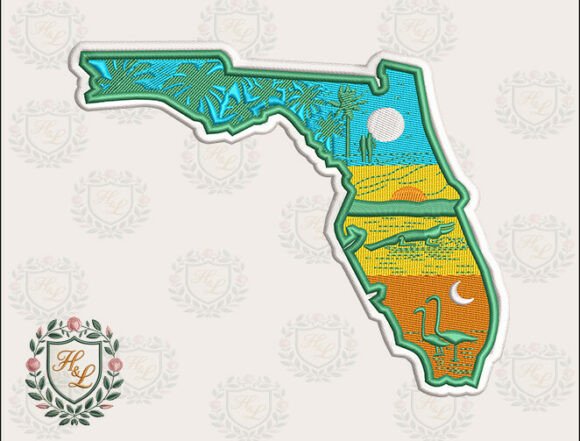
Reviewing Layers of Florida Embroidery Files
As an embroidery designer who has spent years digitizing and testing designs for commercial use, I approach every new machine embroidery design with a critical eye. It is not just about whether a design looks pretty on a screen; it is about how it performs under the needle, how it holds up after washing, and most importantly, how it serves the brand identity of the small business owner using it. Recently, I evaluated the Layers of Florida Embroidery Files, a digital appliqué collection that promises to bring creative projects to life. For entrepreneurs in North America looking to expand their product lines, understanding the practical application of these files is essential.
First Impressions: Visual Personality and Brand Fit
The title Layers of Florida immediately suggests depth, vibrancy, and a touch of regional pride. Upon reviewing the preview images and the structure of the digital embroidery file, the design feels playful yet polished. It does not lean too heavily into rustic or overly traditional aesthetics, which makes it versatile. Instead, it strikes a balance between modern graphic appeal and classic decorative charm. This visual personality is crucial for small business merch because it needs to resonate with a broad audience without feeling generic.
For a boutique, café, or creative studio, this design offers a friendly and inviting vibe. It is bold enough to be noticed on a tote bag but refined enough to work as a subtle accent on high-end apparel. The appliqué nature of the design means it relies on fabric layers rather than dense stitching alone, which often results in a cleaner, more professional finish that customers associate with quality handmade products.
Real-World Business Applications
When considering where to deploy the Layers of Florida Embroidery Files, I look at versatility. A single design asset should work across multiple product types to maximize return on investment. Here is how this design performs in various commercial embroidery scenarios:
- Branded Patches: The layered structure works exceptionally well for embroidered patches. By using contrasting fabric colors for the appliqué sections, you can create a patch that pops against denim jackets or canvas bags. This is ideal for event merch or customer gifts.
- Staff Uniforms and Aprons: For bakeries, florists, or local cafes, adding this design to apron embroidery creates a cohesive team look. It adds a touch of personality to standard uniforms, enhancing brand recognition among regular customers.
- Tote Bag Design: Tote bags are a staple for Etsy sellers and craft businesses. The design’s scale seems appropriate for a central placement on a standard canvas tote, turning a simple utility item into a stylish accessory that promotes your brand.
- Cap Embroidery: While caps require careful placement, the distinct shapes in the design can work on the front panel if scaled correctly. It adds a unique flair compared to standard text-only logos.
- Boutique Merchandise: Use this on pillows or festive decorations to create seasonal collections. The festive and decorative nature of the design allows for quick turnover in product offerings.
Navigating Technical Challenges
While the design is promising, experienced embroiderers know that every file has its quirks. There are specific areas where you must exercise caution to ensure a high-quality finished product. The complexity of "layers" implies multiple color changes and potential density issues if not managed correctly.
First, consider the stitch density. Appliqué designs generally have lower density than fill-stitch designs, but the satin stitches securing the fabric layers must be precise. If you are embroidering on textured fabric or dark uniforms, ensure your thread colors provide sufficient contrast. A lack of contrast can make the details muddy, reducing the professional appearance of the custom apparel.
Second, be mindful of size. If you attempt to shrink this design for a small patch size or a left-chest logo on a fitted shirt, the intricate outlines may become too tight. Tiny lettering or fine details can bunch up if the hoop size is too small relative to the design complexity. Always check the recommended minimum dimensions provided with the file. Additionally, curved surfaces like cap fronts require proper stabilization to prevent puckering, especially with layered fabric applications.
Impact on Brand Identity and Customer Trust
Consistency is key to building trust. When a customer sees the same high-quality Layers of Florida Embroidery Files design on your website, your packaging, and your physical merchandise, it reinforces your brand identity. It signals professionalism and attention to detail. For handmade brands, using a well-digitized design elevates the perceived value of the product. It moves the item from a simple craft project to a premium commercial product.
Moreover, visual consistency helps with buyer engagement. When your design assets align with your overall aesthetic, customers are more likely to recognize your brand in a crowded marketplace. Whether you are selling on Etsy or at a local craft fair, a cohesive look makes your booth or storefront memorable.
Practical Designer Notes for Production
Before running a full production batch, follow these steps to ensure success with your commercial embroidery project:
- Test in Black and White: Print or stitch a monochrome version first. This helps you identify spacing issues and ensures the design reads clearly without relying on color contrast.
- Check Hoop Size Compatibility: Confirm that the design fits within your machine’s maximum hoop size. If you need to resize it, do so proportionally to avoid distorting the stitch paths.
- Select the Right Stabilizer: Appliqué designs require stable backing to keep the fabric layers flat. Use a cut-away stabilizer for garments that will be washed frequently, and a tear-away for items like pillows that undergo less stress.
- Create a Printable Mockup: Before stitching, place the design on a digital mockup of your product. This helps you visualize the final look and confirm placement with clients if you are doing custom work.
- Verify Commercial Licensing: Always read the license terms included with the embroidery file. Ensure you have the rights to use the design for selling physical goods. Do not assume; check the documentation provided by the creator.
- Thread Color Matching: Test different thread combinations. Sometimes, switching from a glossy rayon to a matte polyester thread can change the entire feel of the design, making it look more rugged or more elegant depending on your brand needs.
In conclusion, the Layers of Florida Embroidery Files offer a strong foundation for small business owners looking to add unique, high-quality embellishments to their product lines. By understanding its visual personality, respecting its technical limitations, and applying it strategically across various mediums like patches, aprons, and totes, you can enhance your brand’s professional image. Remember, the key to successful custom apparel and merchandise lies not just in the design itself, but in how thoughtfully it is executed. Take the time to test, refine, and perfect your process, and this design asset will serve your business well.