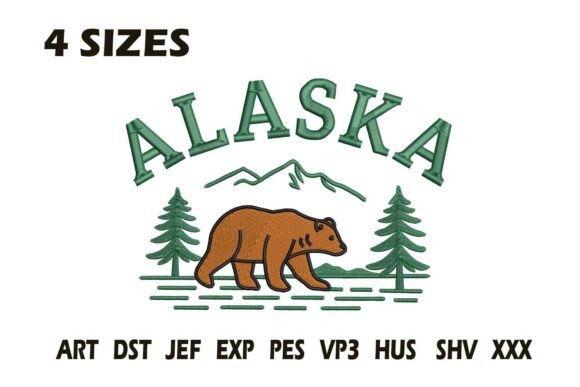
Reviewing Alaska Bear Outdoor Embroidery Design
As an embroidery designer who has spent years digitizing files and consulting with small business owners, I approach every new machine embroidery design with a critical eye. It is not just about whether the art looks cute on a screen; it is about how that design translates to fabric, how it holds up in the wash, and most importantly, how it serves the brand identity of the client using it. Recently, I evaluated the Alaska Bear Outdoor Embroidery Design, a file categorized under Wild Animals within the broader Embroidery niche. This review focuses on its viability for commercial use, specifically for boutiques, cafes, and handmade brands looking to elevate their merchandise.
First Impressions: Visual Personality and Brand Fit
The initial description promises to "bring a bit of charm to your fabrics" with a playful touch. From a design perspective, this suggests a whimsical aesthetic rather than a hyper-realistic or aggressive wildlife depiction. For small business owners, this distinction is crucial. A playful bear motif works exceptionally well for brands that want to appear approachable, friendly, and grounded. It fits seamlessly into the visual language of outdoor gear shops, rustic bakeries, family-oriented florists, and creative studios that value a handmade product feel.
When I look at the Alaska Bear Outdoor Embroidery Design, I see potential for creating a strong emotional connection with customers. It does not scream "corporate"; instead, it whispers "community." This makes it an ideal candidate for businesses that rely on local loyalty and personal engagement. However, designers must ensure the digitization supports this playful nature without becoming messy. Clean lines and balanced spacing are essential to maintain professionalism while keeping the whimsical vibe intact.
Real-World Applications for Small Business Merch
The true test of any digital embroidery file is its versatility across different products. Here is how I envision this design performing in real-world commercial embroidery projects:
- Embroidered Patches: This is perhaps the strongest use case. A bear motif translates beautifully to a patch format, which can be sewn onto jackets, backpacks, or tote bags. Patches allow for higher stitch density and more detail than direct-to-garment embroidery, making the design pop.
- Staff Uniforms and Aprons: For a cafe or boutique, placing this design on the chest pocket of an apron adds a subtle branding element. It humanizes the staff and reinforces the brand’s outdoor or rustic theme without being overpowering.
- Cap Embroidery: Caps are high-margin items for small businesses. The Alaska Bear Outdoor Embroidery Design could work as a left-chest accent or a front-panel feature, provided the digitization accounts for the curved surface of the cap.
- Tote Bag Design: Canvas totes are popular for eco-friendly brands. A larger version of this design can serve as the central graphic, turning a simple bag into a statement piece that customers will use daily, increasing brand visibility.
- Custom Apparel: T-shirts and hoodies benefit from this design when used as a sleeve detail or a small chest logo. It avoids the bulkiness of large back prints, offering a more refined, premium look.
Technical Considerations and Production Challenges
While the artistic concept is strong, technical execution determines the quality of the finished product. Before running a production batch, there are several factors to evaluate carefully.
Stitch Density and Fabric Texture: Playful designs often rely on smooth curves. If the stitch density is too high, the fabric may pucker, especially on lighter materials like t-shirt jersey. Conversely, if the density is too low, the backing material might show through. Always test on the specific fabric texture you intend to use. For towels, which are mentioned in the product description, ensure the design uses sufficient underlay stitches to anchor properly into the loops.
Size Limitations: Small details can get lost when scaling down. If you plan to use this as a tiny label on a hem or a small patch, verify that the outlines remain distinct. Intricate parts of the bear’s face or limbs may merge if the design is reduced below a certain threshold. I recommend creating a printable mockup at actual size to check legibility before stitching.
Thread Colors and Contrast: The charm of this design relies on visual clarity. On dark uniforms, such as navy or black aprons, you must choose thread colors that offer high contrast. Light browns, creams, or even unexpected pops of color can make the bear stand out. Test the design in black and white first to ensure the shape is recognizable without color reliance.
Enhancing Brand Identity and Customer Trust
Consistency in design assets builds trust. When a customer sees the same high-quality Alaska Bear Outdoor Embroidery Design on your website, your packaging, and your staff uniforms, it reinforces professional reliability. It signals that attention to detail is a core value of your business.
For Etsy sellers and crafters, offering items with this design can differentiate your shop from mass-produced competitors. The handmade nature of embroidery adds perceived value. Customers are often willing to pay more for a tote bag or hat featuring a unique, stitched design compared to a printed one. This design can become a signature element of your brand identity, making your products instantly recognizable.
Practical Designer Notes for Implementation
To ensure success with this file, follow these practical steps before committing to full production:
- Check Licensing: Confirm the commercial licensing terms included with the embroidery file. Ensure you have the right to sell items made with this design.
- Verify Hoop Size: The product description does not specify exact dimensions. Check the file details to confirm it fits your available hoop size. You may need to resize it, which requires re-digitizing or careful scaling to avoid distortion.
- Use Proper Stabilizer: Select the right stabilizer for your fabric. Cut-away stabilizers are generally better for stretchy fabrics like t-shirts, while tear-away works for stable woven materials like canvas totes.
- Create Client Mockups: If you are designing for a client, present a realistic mockup showing the design on their specific product. This manages expectations and allows for adjustments before stitching begins.
- Test Wash Durability: Stitch a sample, wash it, and dry it according to care instructions. Check for thread breakage, shrinking, or puckering. This step is vital for maintaining customer satisfaction.
In conclusion, the Alaska Bear Outdoor Embroidery Design offers significant potential for small businesses looking to add character to their merchandise. By understanding its playful nature and adhering to strict technical standards, you can transform this digital asset into a powerful tool for brand building. Whether used on an apron, a cap, or a tote, it brings a touch of whimsical professionalism that resonates with modern consumers.